


Google DeepMind Releases DiffusionGemma for Ultra Fast AI Text Generation
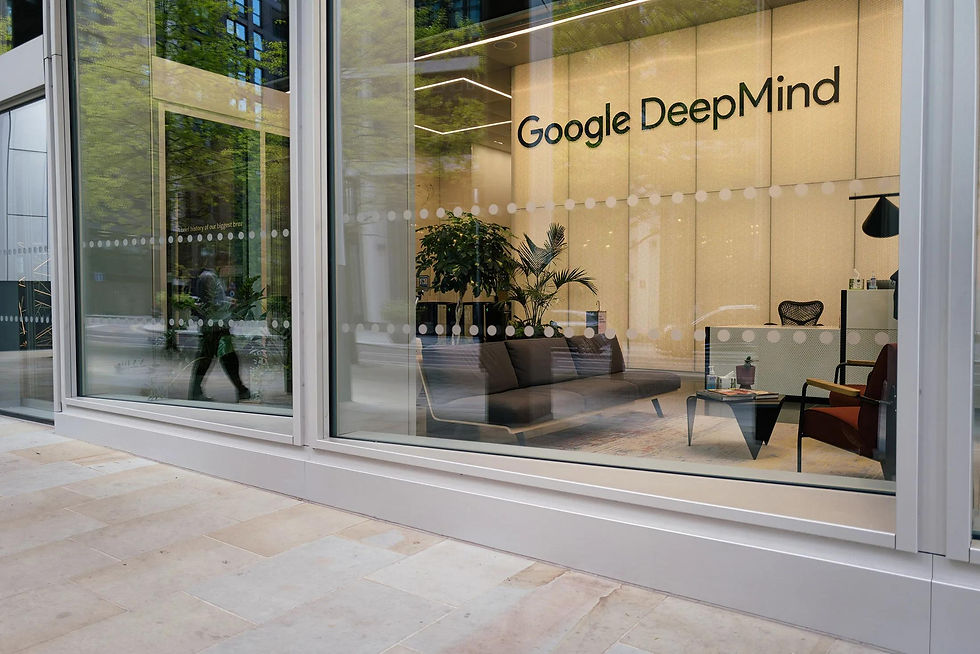
Google DeepMind released a new experimental AI model this week called DiffusionGemma, built specifically for high speed text generation using a diffusion-based approach rather than the standard autoregressive architecture that powers most large language models. While traditional LLMs generate text one token at a time in sequence, diffusion models can generate entire spans of text simultaneously, potentially enabling dramatically faster output for certain use cases. Google DeepMind published DiffusionGemma as an open experimental model and announced that Nvidia has already optimized it to run faster on GeForce RTX GPUs, the RTX PRO platform, and Nvidia's broader RTX infrastructure.
The release is notable because diffusion models have been the dominant architecture in image generation but have historically struggled to match the coherence and quality of autoregressive models in text generation. If DiffusionGemma or similar models can close that gap, they could enable a new class of AI applications where speed is paramount, real-time translation, live conversation, rapid document drafting, and interactive coding assistance at speeds that exceed what current generation models can achieve. The publication of the model as open and experimental reflects Google's continued bet that open-source distribution helps it establish its architectures as industry standards.
DiffusionGemma joins a family of models Google has been building under the Gemma brand, which includes the recently released Gemma 4, a 31 billion parameter open weight model under the permissive Apache 2.0 licence covering 140 languages, multimodal inputs, and function calling. Together, the Gemma releases represent Google's most aggressive push into open AI infrastructure and signal that the company is no longer treating open-source as a secondary strategy, but as a central pillar of its effort to embed its technology into the developer ecosystem that will define the next phase of AI applications.


