


Is Iran About to Become the Next Big Tech Market?
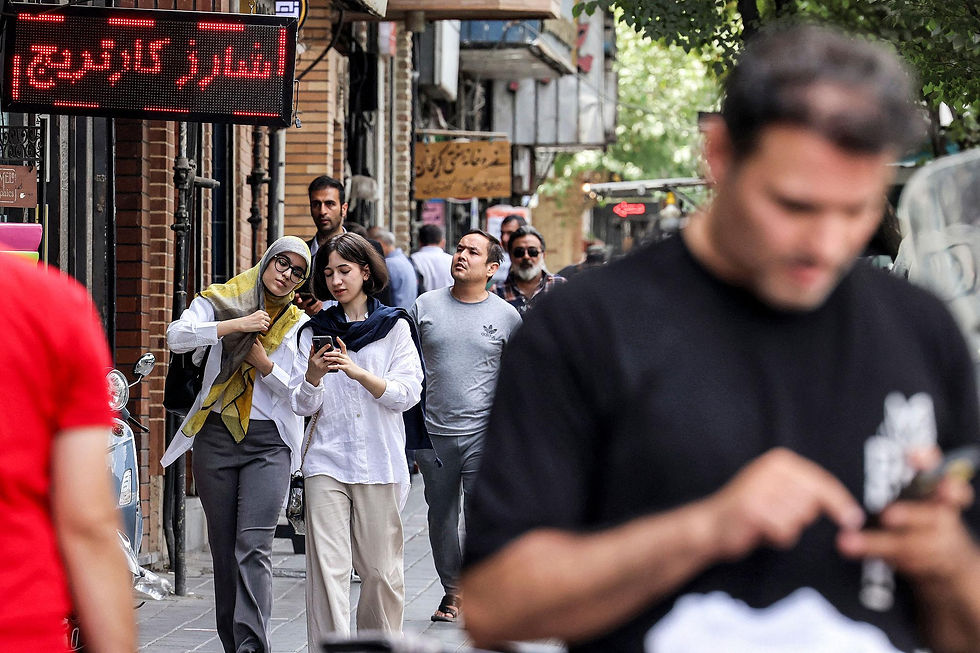
Iran's reopening to the global economy is being closely watched by the technology industry, which sees a country of 90 million people with high rates of smartphone adoption, strong engineering talent, and years of pent-up demand for digital services as a potentially significant emerging market. Major US technology platforms, including app stores, cloud services, and social media networks, have operated under sanctions restrictions that prevented them from serving Iranian users at full commercial capacity. A normalization of relations and the suspension of sanctions could unlock access to those platforms for Iranian consumers and create new monetisation opportunities for technology companies operating in the region.
Iran's domestic technology sector, which developed considerably under sanctions as entrepreneurs built local alternatives to blocked international platforms, presents a complex picture for foreign entrants. Iranian equivalents of ride-hailing, e-commerce, and social media platforms have built substantial user bases over the years of isolation, and their founders and investors are watching the peace deal with a mixture of opportunity and apprehension, aware that foreign competition could arrive at scale if sanctions are comprehensively lifted. The 60 day nuclear negotiation window will be a critical factor in determining how quickly and completely business normalization can proceed.
European and Asian technology companies, which operated under somewhat different sanctions regimes than their US counterparts, may be positioned to move faster into the Iranian market. Several German industrial technology companies and South Korean electronics manufacturers have historically maintained closer ties with Iran than their US peers and are already assessing what reopening means for their supply chains and commercial partnerships. For the AI industry specifically, Iran's large pool of trained engineers and mathematicians represents a potential talent source that has been effectively cut off from the global AI labor market for years, a dynamic that could change meaningfully if a durable peace is established.


